Rob Wilson, CFA, Director of Investment Strategy
At home, the Reserve Bank left interest rates on hold, as widely expected, with inflation showing some signs of easing. Abroad, a US jobs report showed the world’s largest economy actually shed jobs last month. Rather than take fright, investors welcomed the weaker labour market as a sign that another US rate hike may be less likely, while strong company earnings continued to support shares at record highs.
Key Takeaways
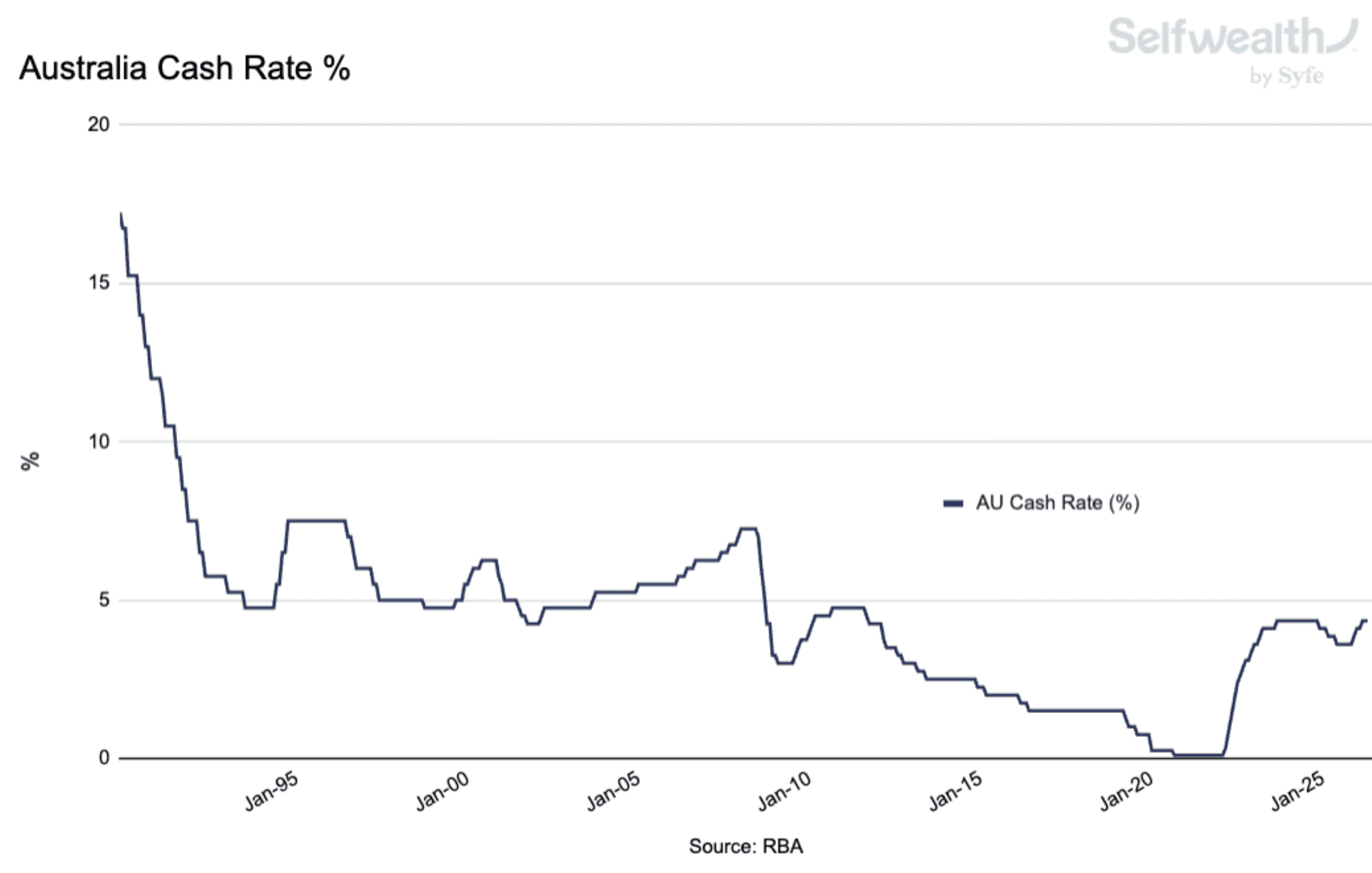
The RBA held rates at 4.35%. As expected, the Reserve Bank left the cash rate unchanged. A future hike this year is possible but no change is our base case for the next meeting in late September.
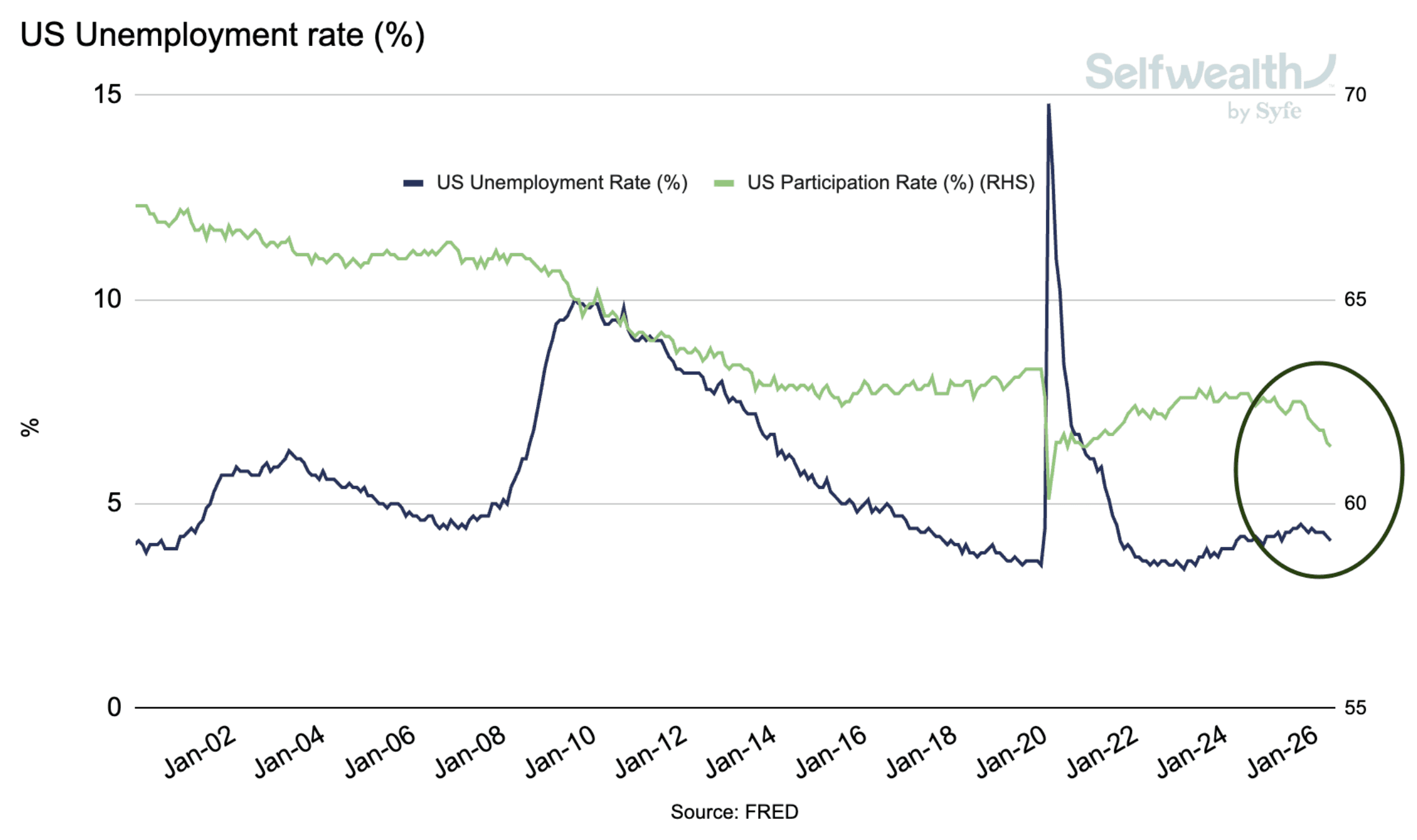
The US unexpectedly lost jobs. Employers cut 23,000 positions in July. Despite this, the unemployment rate fell to 4.1% because people dropped out of the workforce.
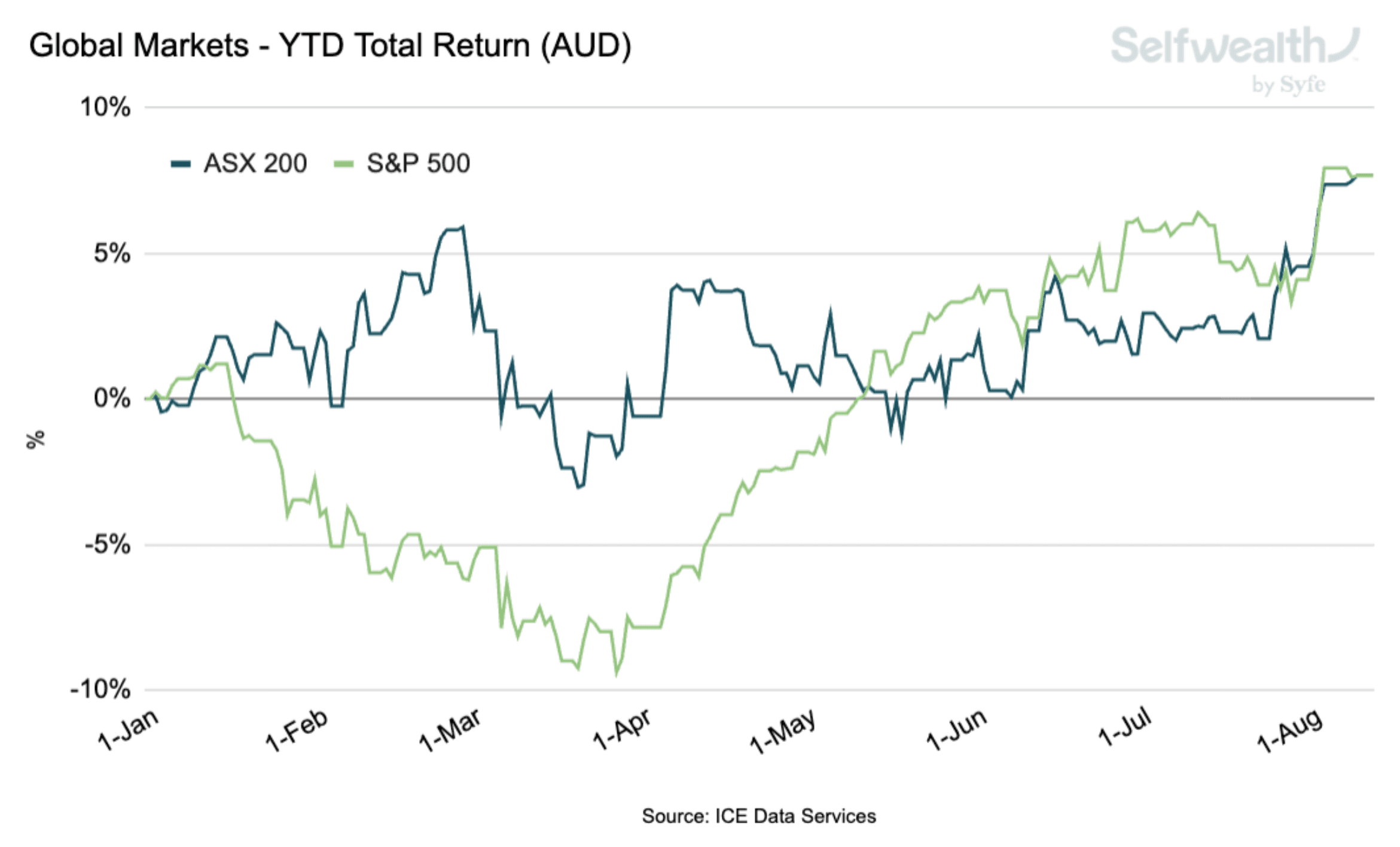
Markets hit fresh records. Weaker US jobs data reduced expectations of further Fed rate hikes, while strong company earnings supported the rally. In Australia, stronger commodity prices and positive global sentiment have helped the ASX 200 catch up with US markets on a year-to-date basis.
The RBA Keeps the Cash Rate on Hold at 4.35%
As widely expected, the Reserve Bank left the cash rate unchanged at 4.35% on Tuesday. It was a unanimous decision and its second consecutive hold. June’s softer inflation data gave the Board room to pause, and its updated forecasts reflected a little more comfort.
Bullock: Inflation Still Too High, Cuts "Ahead of Themselves"
But Governor Michele Bullock was quick to temper expectations. She stressed inflation is still too high and will not return to the middle of the 2–3% target band until 2027, noting that the Board did consider a rate rise, and told investors betting on near-term cuts they were a bit ahead of themselves. In other words, the RBA is holding, not pivoting, and a further hike remains possible if inflation proves stubborn.
Higher Unemployment Forecast and a Cooling Housing Market
One telling change was a higher unemployment forecast, lifted to 4.5% by year-end, echoing the labour-market softening now visible overseas. The bank noted momentum in the housing market has shifted, citing housing price falls in some capital cities and new housing loans declining noticeably. With markets largely expecting no change to the cash rate, the AUD shifted only modestly lower on the decision, while the ASX 200 Index remained in positive territory on the day.
US Employers Unexpectedly Cut 23,000 Jobs in July
Last week saw some downside surprises in the US employment market. Instead of the modest gain economists expected, American employers cut 23,000 jobs in July, the first monthly decline this year. At the same time, the previous two months were revised down by more than 100,000 combined.
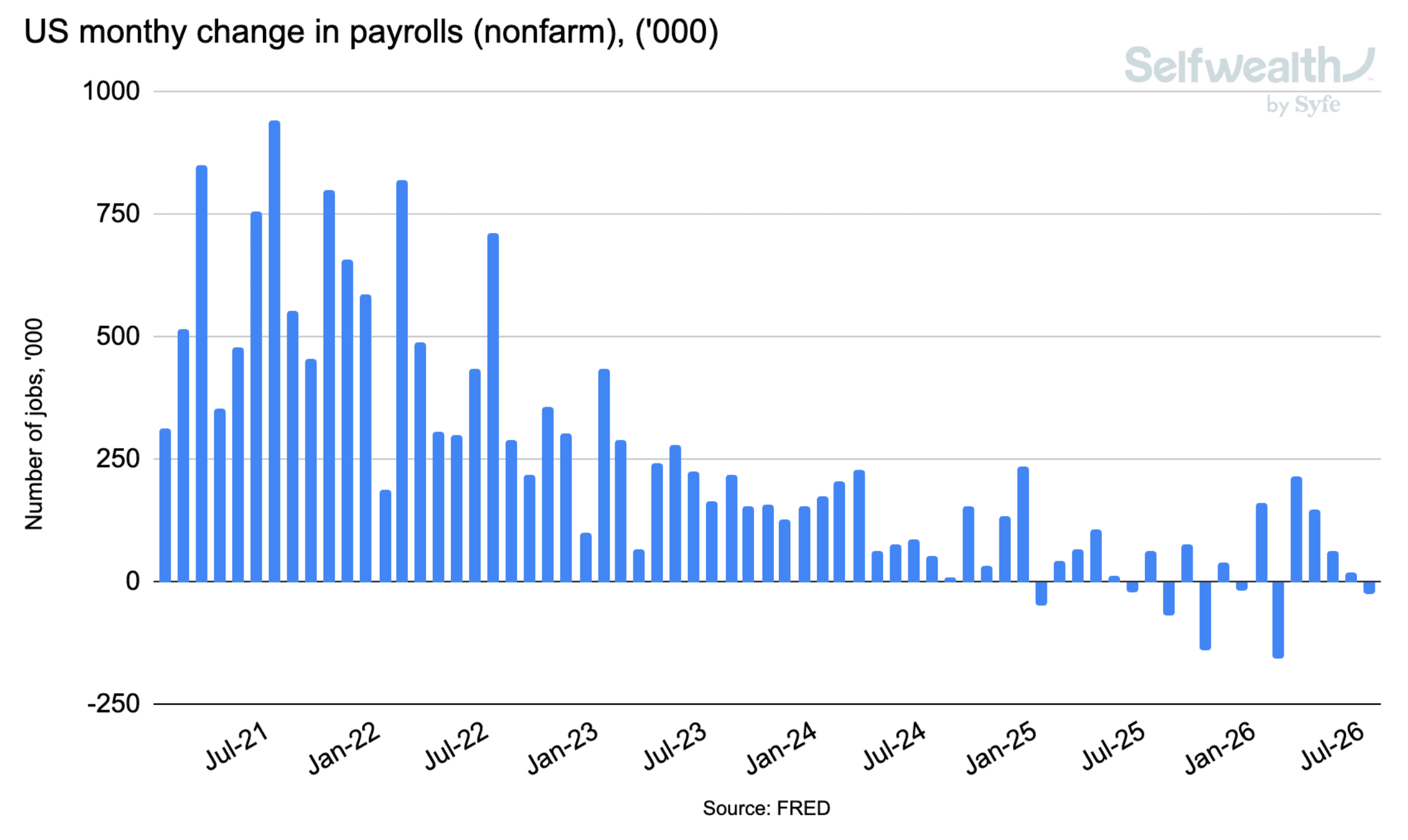
The unemployment rate actually fell, to 4.1%, but for a troubling reason: the drop was driven by people leaving the workforce, with the participation rate sliding to 61.4%, its lowest in more than five years.
Strong Earnings and Fading Rate Fears Lift Markets to Records
With inflation still elevated, some Fed officials had argued for higher rates. The weak jobs report reduced the pressure for another increase in September, prompting investors to push bond yields slightly lower and shares higher. Strong company earnings have also supported the rally: 88% of S&P 500 companies had reported by last week, with 86% beating earnings-per-share expectations, according to FactSet. The result suggests the rally is being supported by more than expectations of lower interest rates, although earnings will need to remain strong to justify elevated valuations.
The ASX 200 Catches Up With the S&P 500
In Australia, the recent rally has been driven on the back of positive global sentiment, stronger commodity prices and a broadening of investor appetite. The ASX 200 has now largely caught up with the S&P 500 on a year-to-date basis for total returns in AUD, adding to the importance of the upcoming Australian reporting season as investors assess whether earnings can justify the gains.
Oil and the Strait of Hormuz Remain the Key Risk
Oil remains a key market risk globally, with crude prices elevated and volatile as uncertainty around the Strait of Hormuz and the Middle East conflict persists. For investors, weaker economic data can sometimes be positive for shares because it reduces pressure on central banks to raise interest rates. But that only works while economic growth and corporate earnings remain resilient.
Looking Ahead
This week’s US CPI report is a key market event. The weak jobs data gives the Fed more room to leave rates unchanged in September, but only if inflation cooperates. A hotter-than-expected reading, particularly with oil prices elevated, could put renewed pressure on the Fed to raise rates even as the labour market weakens. At home, attention will turn to wages, employment and the continuing reporting season.
Key Dates to Watch
US inflation — 12 August: Investors will be watching for signs that inflation is continuing to ease, which would give the Fed more room to leave rates unchanged in September.
Australian earnings season — ongoing: Reporting season gathers pace next week, putting the recent ASX rally to the test. Investors will be watching whether earnings and company guidance justify recent share prices gains.
Australian jobs — 20 August: July employment figures will provide the next important read on whether the labour market is beginning to cool, an important consideration for the RBA's next move.
Australian wages — 19 August: The June-quarter Wage Price Index will be closely watched for signs of whether wage pressures are easing enough to support a return of inflation towards target.
Oil & the Middle East — ongoing: Oil prices remain elevated and volatile, with any escalation in the conflict potentially adding to inflation pressures.
Important disclaimer: SelfWealth Pty Ltd ABN 52 154 324 428 (“Selfwealth”) (AFSL 421789). The information contained on this website is general in nature and does not take into account your personal situation. You should consider whether the information is appropriate to your needs, and where appropriate, seek professional advice from a financial adviser and/or accountant. Taxation, legal and other matters referred to on this website are of a general nature only and should not be relied upon in place of appropriate professional advice. You should obtain the relevant Product Disclosure Statement for any product mentioned and consider its contents before making any decision.
Most Recent Articles