Rob Wilson, CFA, Director of Investment Strategy
Firm inflation data drove the US Federal Reserve to raise rates on Wednesday, with markets leaning towards a hike from Australia's RBA later this month.
Key Takeaways
US inflation held firm. Consumer prices rose 3.4% over the year in August, unchanged from July, with the core measure still above the Fed’s 2% target
The Fed raised rates. After firm inflation data and a strong jobs report, the Federal Reserve lifted its target range by 0.25% to 3.75%–4.00% on Wednesday US time — its first increase since 2023.
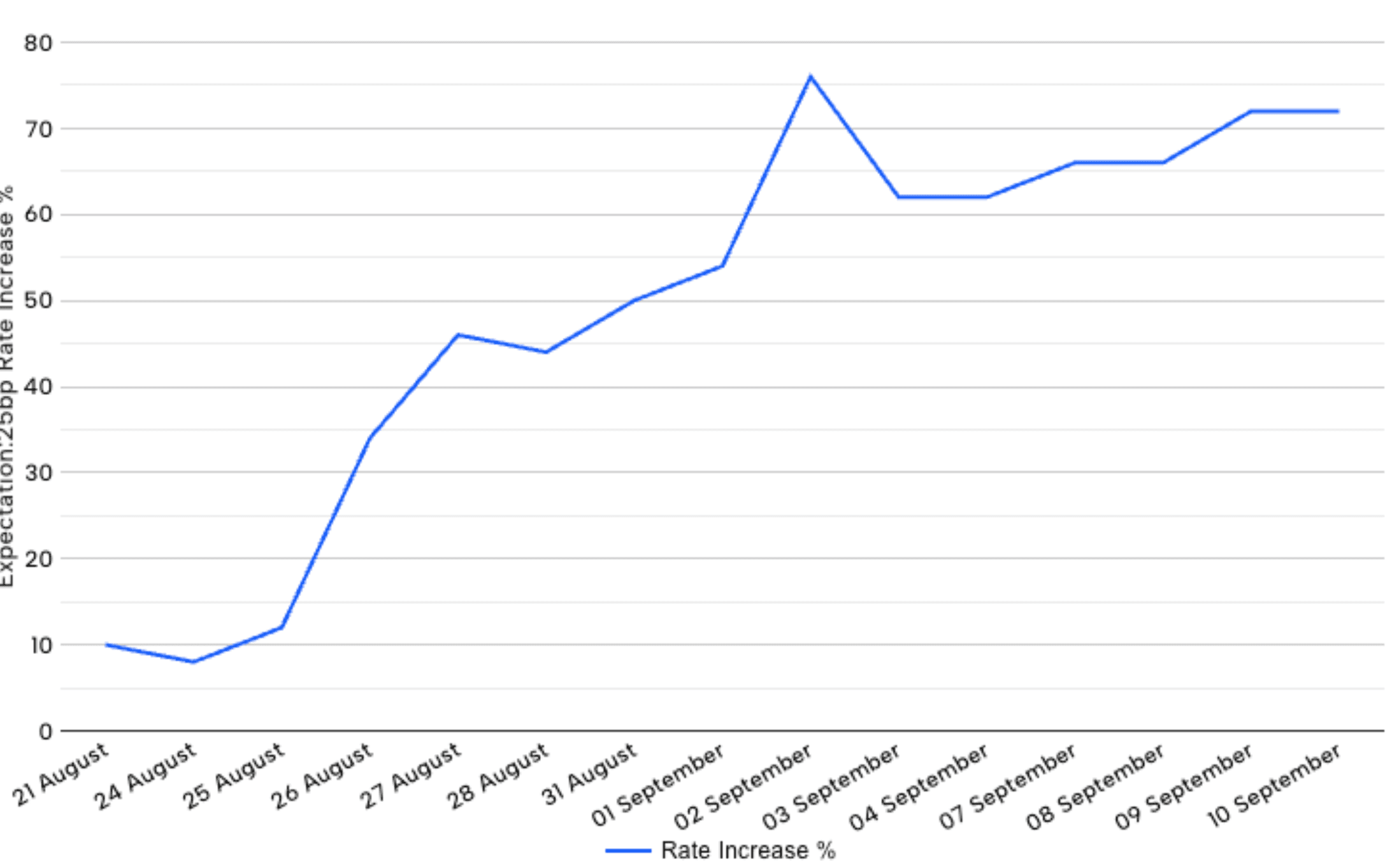
And the RBA is expected to follow. Markets now put the odds of an RBA hike at its 29 September meeting at around 70%, up from well below 20% a few weeks ago, after underlying inflation stayed high and the economy beat growth forecasts.
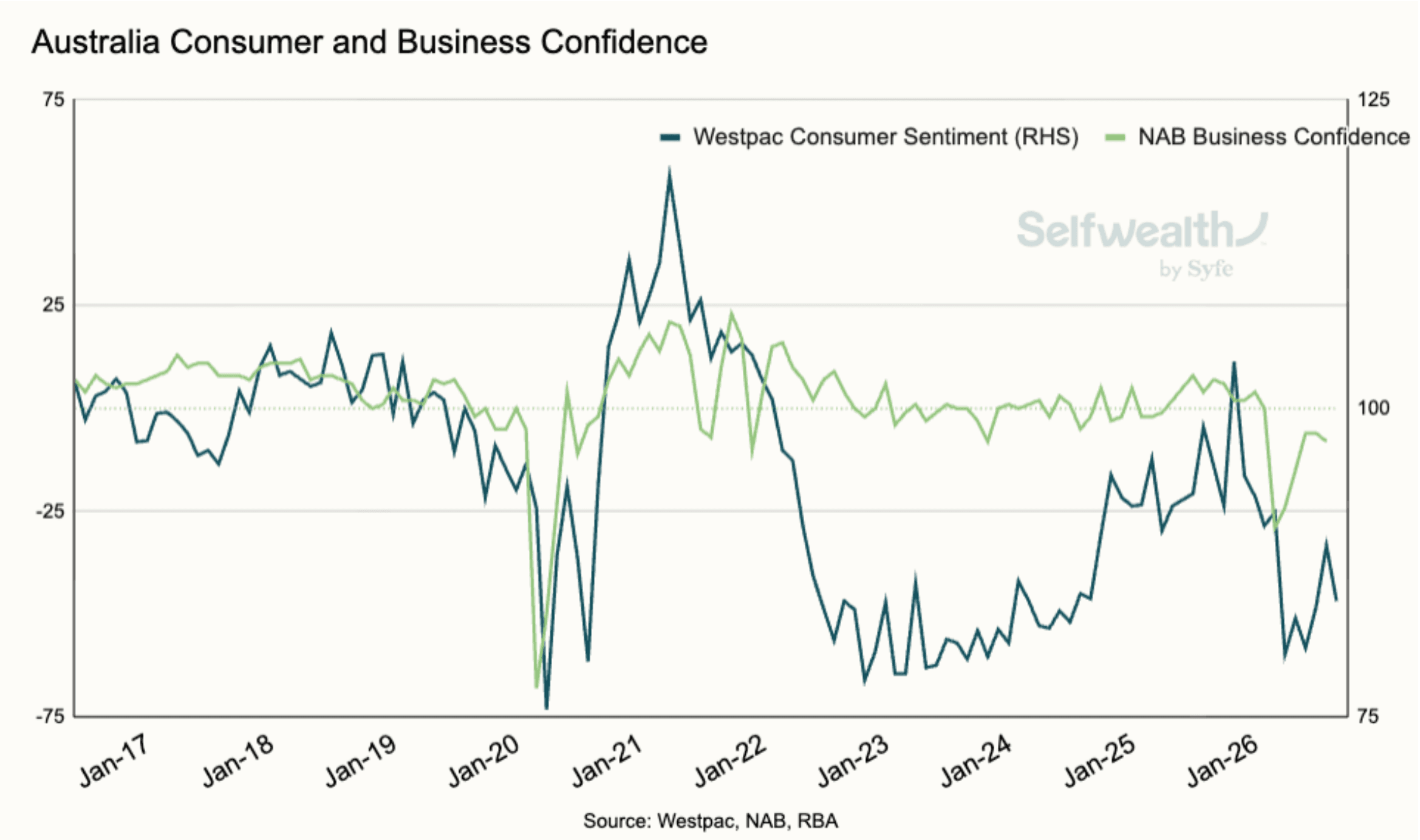
Australian confidence wobbled. Business conditions turned negative for the first time in six years and consumer sentiment fell more than 5%, as higher fuel prices and rate-hike fears weighed on the mood.
The Fed Hiked After Firm Inflation Data
Last week's US inflation report, the last before the Fed's decision, did little to ease the pressure to raise rates. Headline inflation held at 3.4% over the year (a monthly rise driven largely by petrol), while the core measure, which strips out food and energy, stayed above the Fed’s 2% target. Coming on top of a strong August jobs report, the data was enough: the Fed lifted its target range by a quarter of a percentage point to 3.75%–4.00% on Wednesday US time, in a unanimous decision. Chair Kevin Warsh has repeatedly signalled little tolerance for inflation running above target, and the recent numbers gave him the cover to act.
Warsh Has the Cover to Act
Chair Kevin Warsh has repeatedly signalled little tolerance for inflation running above target, and the recent numbers have given him the cover to act.

The RBA Is Now Expected to Hike Too
Expectations for the RBA have firmed further since. After underlying inflation stayed higher than the Bank expected in the July figures and the economy grew a little faster than forecast in the June quarter, markets now price around a 72% chance of a rate rise at the RBA’s 29 September meeting, which would lift the cash rate from 4.35% to 4.60%.
What the Major Banks Are Forecasting
NAB has brought its forecast forward to September, and most of the other major banks expect at least one more hike before year-end. For now, the Fed has moved and the RBA is leaning the same way.
Source: ASX
Local Confidence Slips as Rate Expectations Rise
Last week’s surveys showed both sides of the economy turning a little more cautious. NAB’s measure of business conditions slipped into negative territory for the first time in six years, led by weaker profitability, while business confidence sat below its long-run average. Consumer sentiment fell more than 5% in September, giving back recent gains, with households pointing to higher fuel prices and the prospect of another rate rise. It is a reminder that the same pressures nudging central banks towards hikes also weigh on households and businesses, which could be a concern for future growth.
Looking Ahead
It has been a busy stretch for central banks, with the Fed's decision on Wednesday (US time) followed by the Bank of Japan and Bank of England later in the week. The main domestic event, though, is still ahead: the RBA's own decision on 29 September, which markets increasingly expect to bring a hike, with Australia's August jobs figures landing the week before.
Key Dates to Watch
US Federal Reserve — 16 September (US time): Raised rates 0.25% to 3.75%–4.00% after firm inflation and jobs data.
Australian jobs (August) — this week: A read on whether the labour market keeps cooling
RBA decision — 29 September: Markets are pricing roughly a 72% chance of a rise to 4.60%.
Oil & the Middle East — ongoing: Crude near US$90 is feeding higher fuel prices and inflation — part of what has pushed rate expectations higher.
Important disclaimer: SelfWealth Pty Ltd ABN 52 154 324 428 (“Selfwealth”) (AFSL 421789). The information contained on this website is general in nature and does not take into account your personal situation. You should consider whether the information is appropriate to your needs, and where appropriate, seek professional advice from a financial adviser and/or accountant. Taxation, legal and other matters referred to on this website are of a general nature only and should not be relied upon in place of appropriate professional advice. You should obtain the relevant Product Disclosure Statement for any product mentioned and consider its contents before making any decision.
Most Recent Articles