US inflation cooled in June, easing the pressure on the Fed, but a fresh spike in oil, after the US moved to blockade the Strait of Hormuz, threatens to bring the inflation scare back.
Closer to home, the highlight was a welcome lift in consumer and business confidence as petrol prices eased. Markets were jumpier, though: chip stocks sold off hard and oil surged, keeping the AI trade and the Middle East in focus.
Key Takeaways
US inflation cooled sharply. Headline inflation fell to 3.5% in June from 4.2% following oil's mid-June slide. Underlying inflation also eased, reducing pressure on the Fed to hike rates.
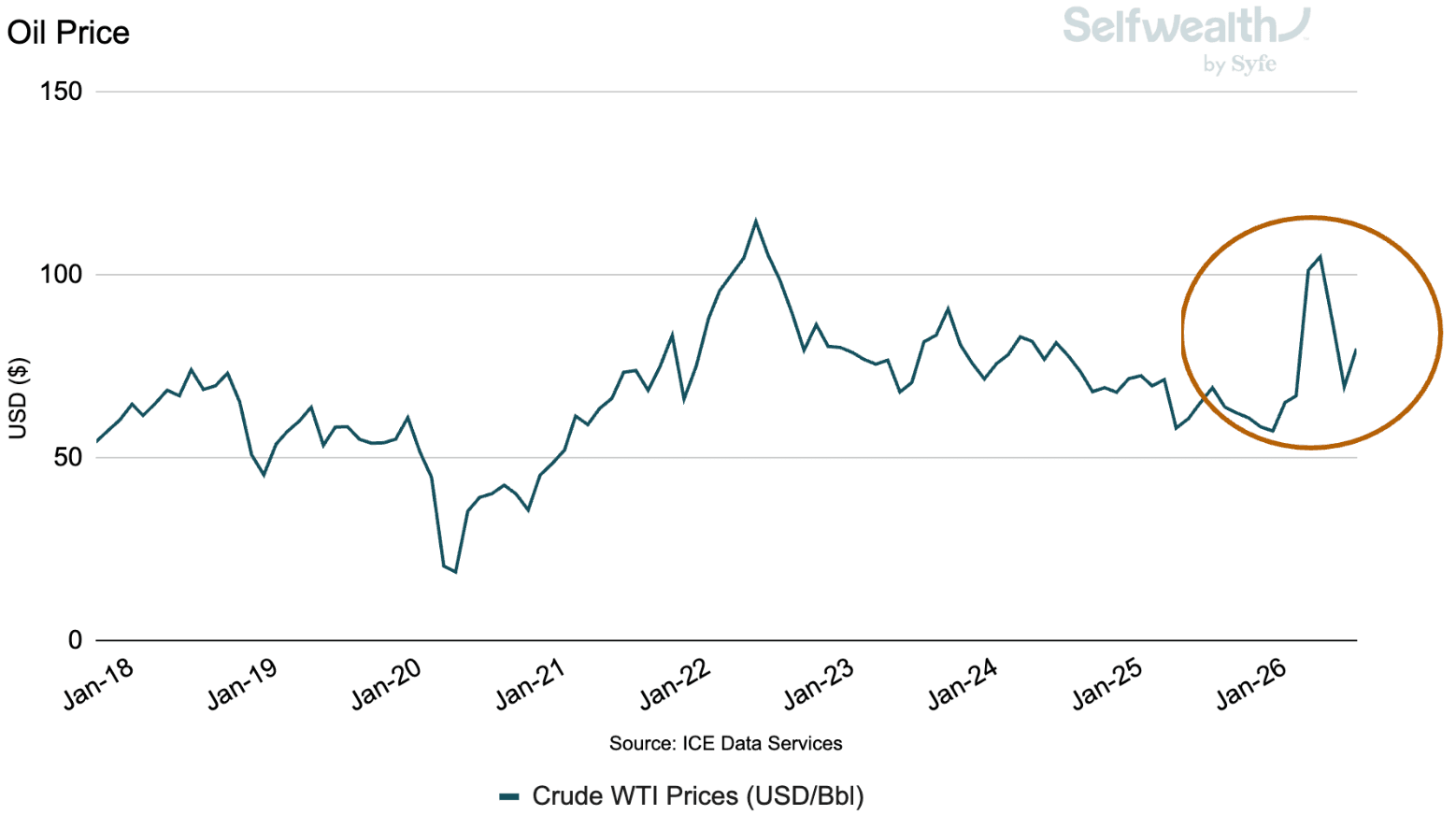
But oil has spiked again. After the US moved to blockade the Strait of Hormuz, Brent crude jumped around 10% back towards US$80, supporting energy stocks while chip stocks were hit by volatility.
Australia's mood lifted. Consumer sentiment rose 4.1% to 83.9 as cheaper petrol offered relief, though it remains deeply pessimistic; business confidence also improved, to -5 from -14.
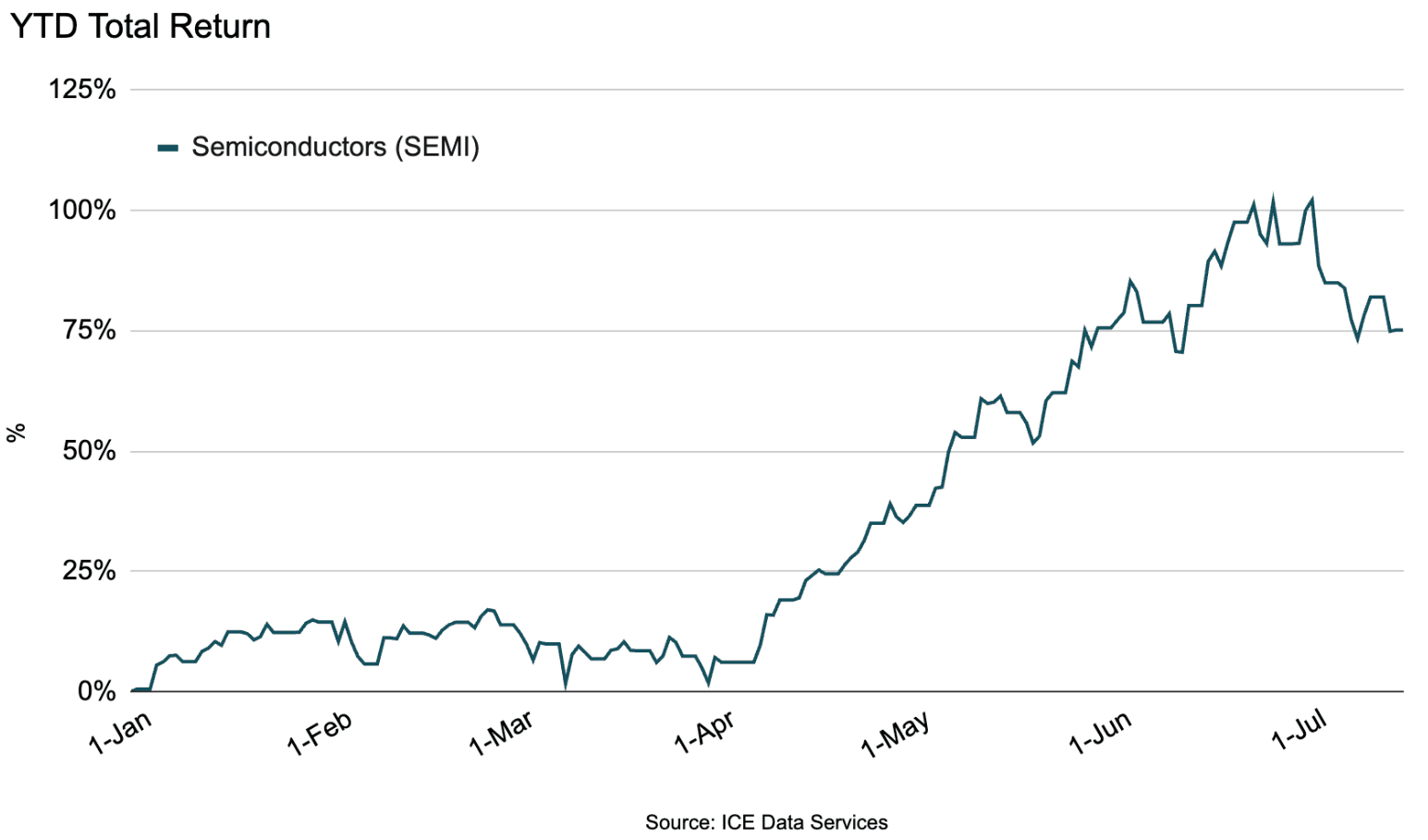
Tech volatility. Semiconductor stocks, the year's big winners, sold off sharply as investors took profits, with the US earnings season gets under way.
US Inflation Cooled, then Oil Spoiled the Mood
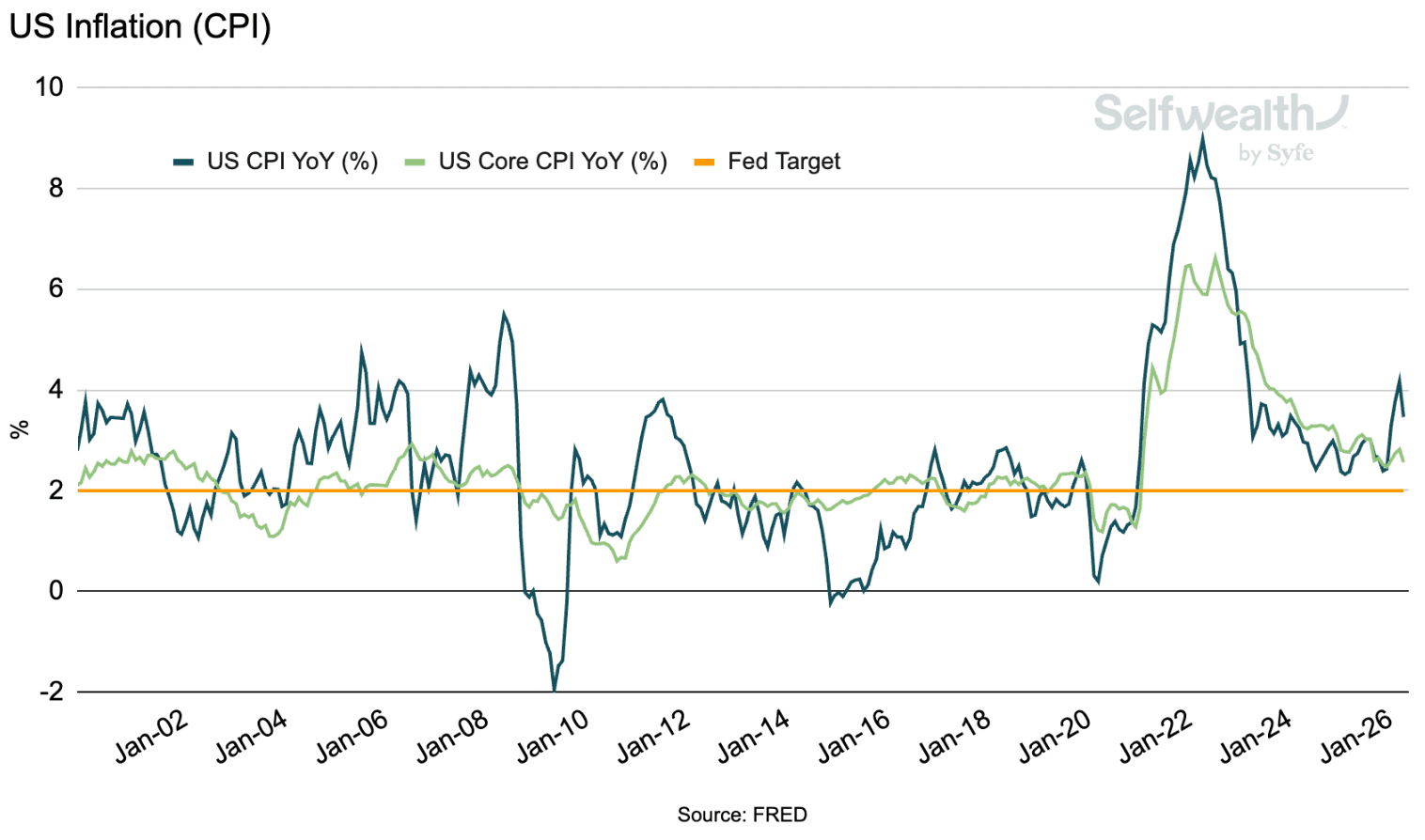
The June US inflation report, released Tuesday, was encouraging across the board. Headline inflation dropped to 3.5% from 4.2%, with prices actually falling 0.4% over the month as the energy component tumbled. More importantly, the core measure (which strips out volatile food and energy) eased to 2.6% from 2.9%, with no monthly rise at all. That is the kind of broad-based cooling the Federal Reserve has been waiting for.
On its own, the report would ease pressure on the Fed, and markets have slightly lowered the odds of a rate hike. But a renewed spike in oil (more on that below) threatens to push energy costs straight back up. The next Fed meeting is late this month, when rates are expected to stay on hold.
At Home: The Mood Lifts a Little
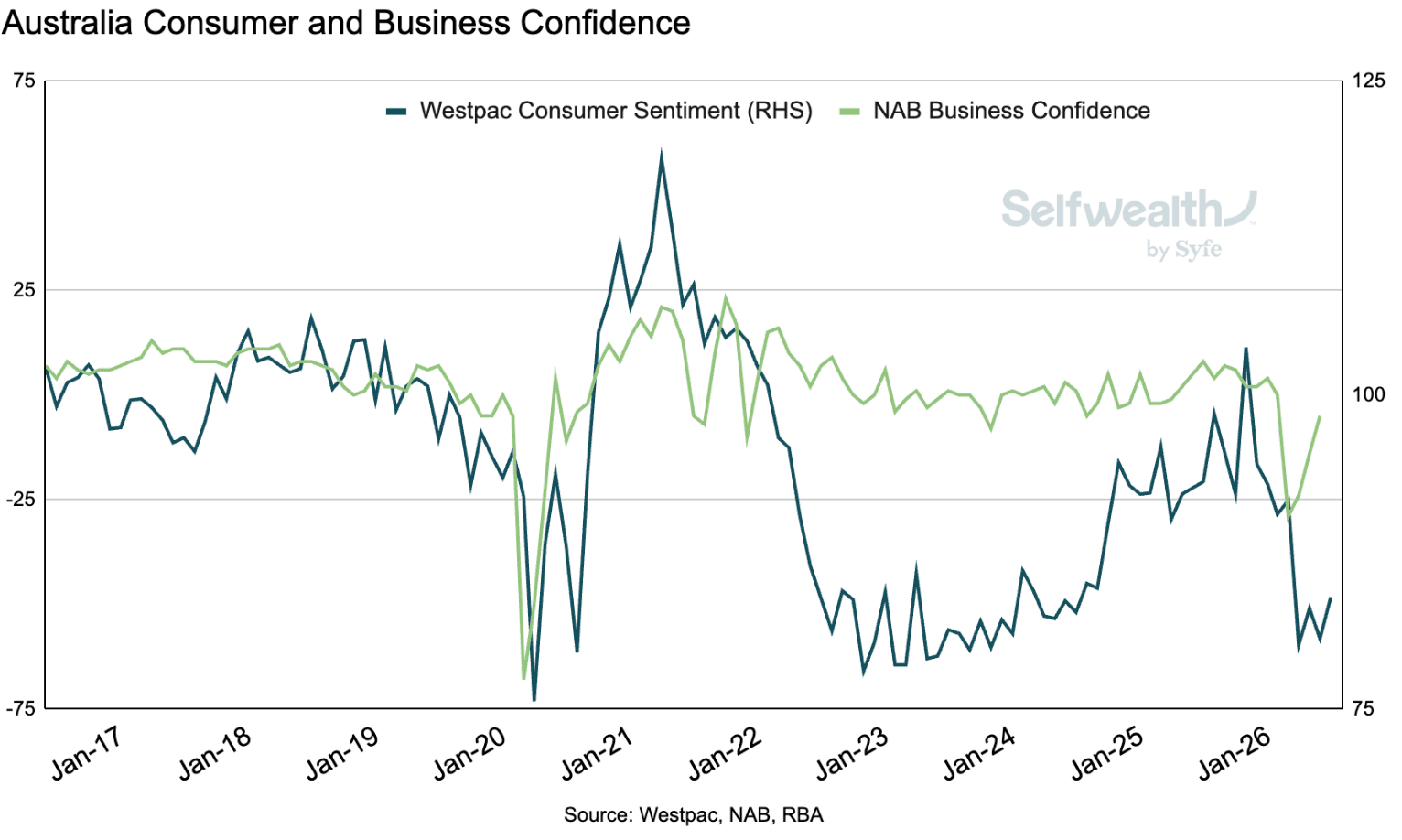
The local data brought some good news. Australian consumer sentiment, which had been stuck near 50-year lows, rose 4.1% in July to 83.9. It is still firmly pessimistic (any reading below 100 means pessimists outnumber optimists), but one of the bigger lifts in months, driven by relief from lower petrol prices. Business confidence improved too, rising for a third straight month, to -5 from -14.
Encouragingly, the same business survey pointed to cooling prices. Firms' cost pressures have more than halved since the Middle East conflict flared, and retail prices actually fell over the quarter. It is a sign the energy-driven inflation scare is fading at home, much as it is in the US, and it reinforces the case for the RBA to sit tight. The one caveat is timing: these surveys were taken before oil's mid-July surge, so if petrol climbs again, some of that relief could prove short-lived.
Markets: Chips Tumble, Oil Surges
Markets had a jittery start to the week. Semiconductor stocks, the year's runaway winners, sold off sharply, led by memory-chip makers. SK Hynix (one of the larger chip makers) plunged around 15% in Seoul, briefly halting trading on the South Korean market, as investors took profits, and the selling spread to Nvidia, Micron, AMD and Intel. Reports that China's AI company DeepSeek is developing its own AI chip added to the volatility. The swings may be down to crowded investors cashing in gains, but with valuations stretched, they are sharp.
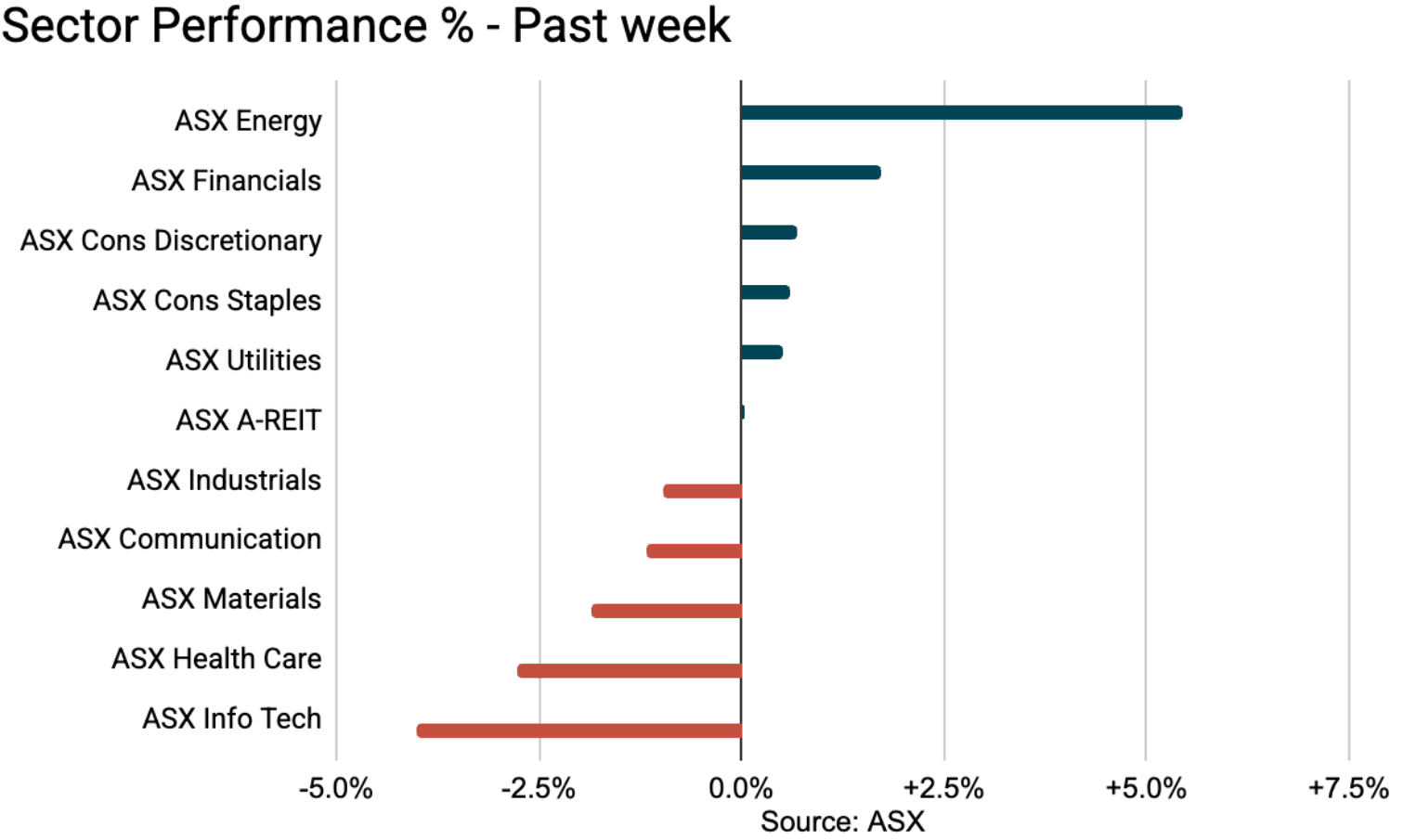
There was also a jolt in oil markets. After the US moved over the weekend to reinstate a blockade of the Strait of Hormuz, oil prices leapt around 10% closer to US$80 a barrel. Higher energy costs revived inflation fears, lifting bond yields and adding to the pressure on tech. For Australia, firmer oil is a mild headwind for the inflation outlook but a tailwind for the local energy sector.
Looking Ahead
The Fed meets late this month, and the week's crosscurrents, cooling June inflation against a fresh oil shock, make it a live debate for the trajectory of rates later this year. The US earnings season is also building while the Strait of Hormuz remains a partial wildcard for energy prices and, by extension, inflation.
What We’re Keeping an Eye On
Australian jobs data (July) — July 23: The next labour force figures are a key input for the RBA. A still-tight jobs market would reinforce the case to sit tight, while any softening would shift the debate towards cuts.
Australian PMIs (July) — July 24: The flash manufacturing and services readings offer an early gauge of momentum across the economy, and a check on whether cost pressures are still easing.
US earnings season — under way: The big banks and chipmaker TSMC report first — an early test of whether profits, especially across AI and tech, can support stretched valuations.
US Federal Reserve meeting — late July: The next rate decision. June’s soft inflation argues for patience, but the oil spike keeps the hawkish case alive.
Oil & the Strait of Hormuz — ongoing: The US has reinstated its Hormuz blockade, any further escalation feeds straight into global inflation.
Important disclaimer: SelfWealth Pty Ltd ABN 52 154 324 428 (“Selfwealth”) (AFSL 421789). The information contained on this website is general in nature and does not take into account your personal situation. You should consider whether the information is appropriate to your needs, and where appropriate, seek professional advice from a financial adviser and/or accountant. Taxation, legal and other matters referred to on this website are of a general nature only and should not be relied upon in place of appropriate professional advice. You should obtain the relevant Product Disclosure Statement for any product mentioned and consider its contents before making any decision.
Most Recent Articles