It's been a quiet week for data, and with the RBA meeting not due until August, most news was offshore.
In the US, a soft jobs report suggested the labour market is losing some momentum, giving the Federal Reserve room to hold steady for now. And in markets, the AI trade that has powered global shares all year took a step back, with semiconductor stocks selling off even as the broader market rose.
Key Takeaways
US hiring slowed sharply. America added just 57,000 jobs in June, the weakest in four months.
The drop in unemployment was a mirage. The unemployment rate dipped to 4.2%, but mostly because people left the workforce.
Rate-hike bets eased. Weak hiring and a shrinking workforce marginally reduced the odds of another Fed hike this year; attention now turns to US inflation data on July 14.
The AI trade took a breather. Semiconductor stocks eased this week, even after a record profit from Samsung, as investors took some profits — a rotation out of the year’s hottest sector rather than a broad sell-off.
US Jobs Market Cools
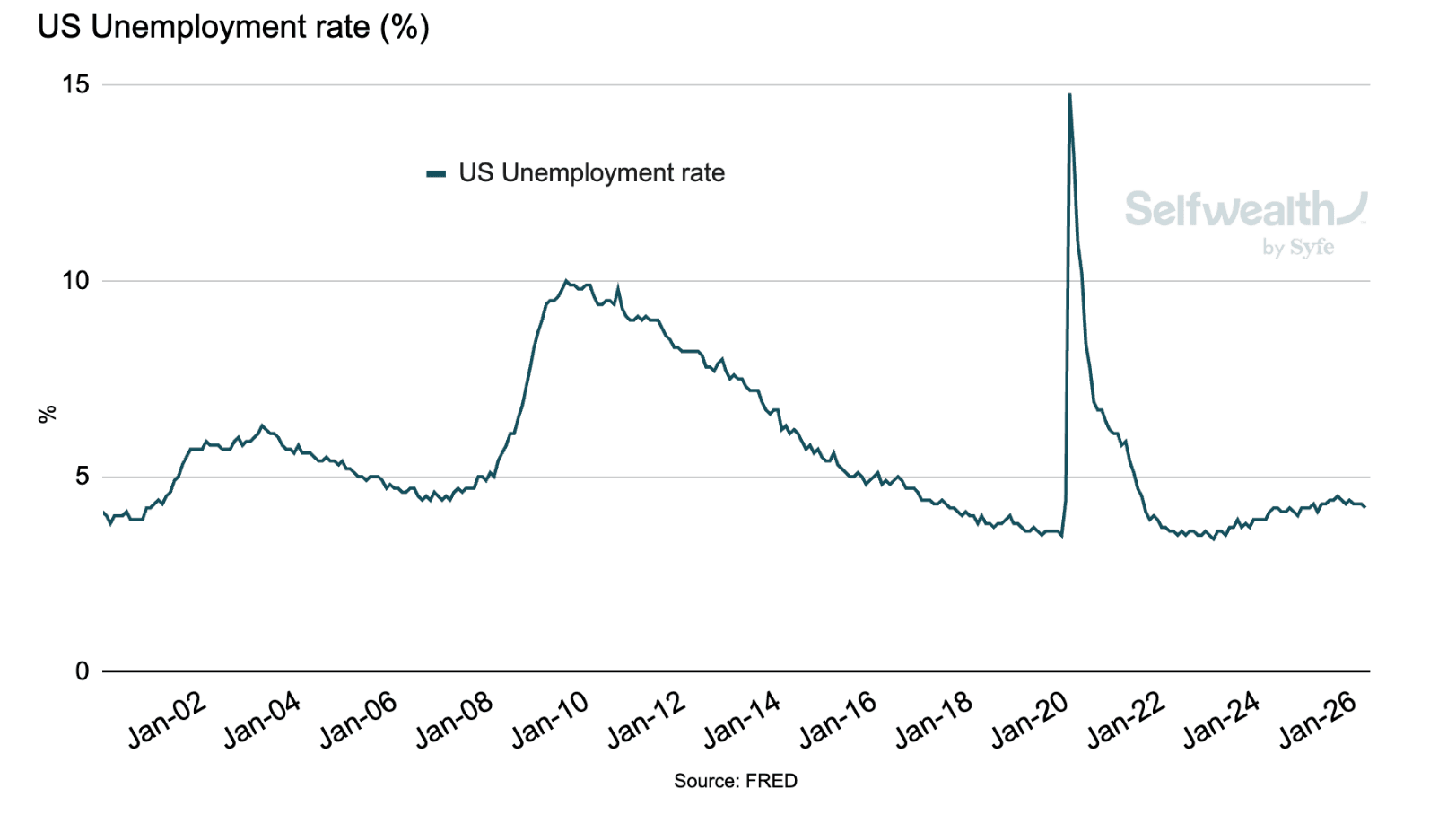
The week's main event was the US June jobs report. Payrolls rose just 57,000, the weakest in four months, with April and May revised down by a combined 74,000. While the unemployment rate fell to 4.2%, that was driven by people giving up looking for work rather than finding a job. The participation rate dropped to its lowest since 2021. Wage growth held at 3.5% over the year. Overall, it was a soft reading - weak hiring and a shrinking workforce rather than a genuinely tighter labour market. The data eased pressure on the Fed to raise rates again, and markets marginally trimmed the odds of another hike this year after the release.
The US Economy Keeps Growing, but Prices Cool
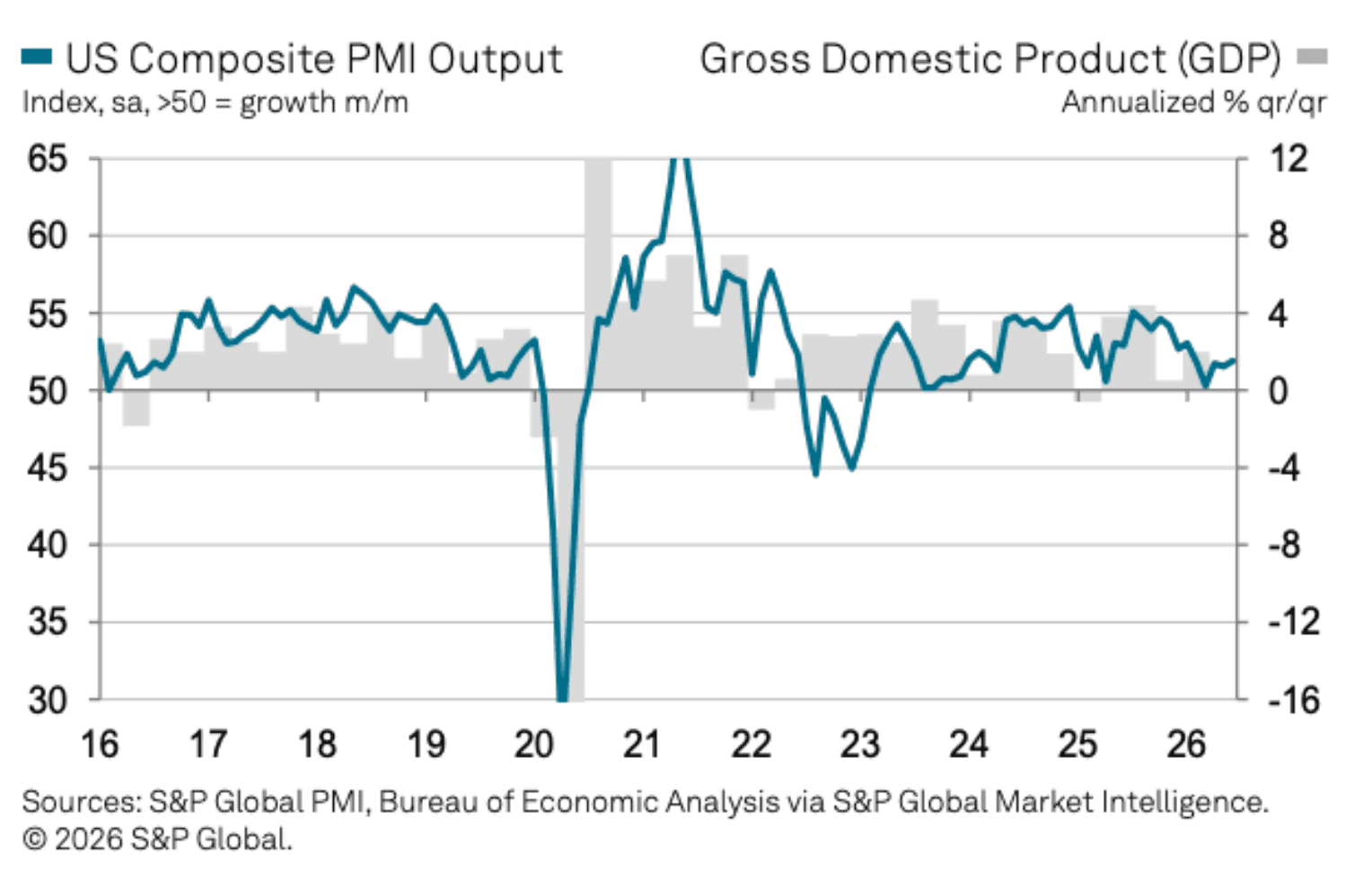
The ISM services index, a survey of the US services sector, held at 54.0 (above 50 indicates expansion), still firmly in expansion, though activity eased. The encouraging part was prices: the survey's cost gauge fell to a four-month low. Together with the jobs data, it paints an economy cooling gradually rather than stalling. That could continue to reduce pressure on rates from the Federal Reserve, now under new chair Kevin Warsh and his firm focus on inflation.
Markets: A Wobble in the AI Trade
The main move in markets this month has been in semiconductors, which have pulled back after a strong run. Even a record quarterly profit from Samsung wasn't enough to lift the mood: chip names such as Intel, AMD, Micron, Applied Materials and Broadcom sold off. The pullback has been fairly contained though, with the broader market rising even as the tech-heavy Nasdaq lags. Chips remain up strongly for the year, so this could be a healthy pause rather than the end of the run.
Closer to home, minutes from the RBA's June meeting, released late last week, returned to a key theme: data centres. The Bank noted that data-centre construction was the standout driver of investment last quarter, fuelling strong corporate borrowing. The minutes also offered a tidy explanation for why the ASX has lagged global peers this year: Australian companies have far less exposure to the AI boom than their US counterparts. That cuts both ways — it has meant missing the tech surge, but this week it also means less exposure to the swings now hitting chipmakers.
One late development to watch: oil, which had fallen below US$70, jumped around 5% early this week, after the US revoked the licence permitting Iranian oil sales and a US-led naval coalition raised the Strait of Hormuz threat level to 'severe'. It is a reminder the truce is fragile, and that cheap energy flattering the inflation outlook could reverse quickly.
Looking Ahead
The real test comes next week, when US inflation for June lands on July 14. It is not the Fed’s preferred gauge (that is the PCE index), but it is still a signal of the direction of inflation and potential rate hikes. US company earnings season also gets underway, giving investors their first read on second-quarter profits.
What We’re Keeping an Eye On
US inflation (June CPI) — July 14: Not the Fed’s preferred gauge, but a hot print would quickly bring rate-hike bets back to life.
US earnings season — from mid-July: The first read on second-quarter profits, and a test of whether the AI-driven enthusiasm in tech is backed by results.
Australian consumer & business surveys — next week: The monthly reads on consumer sentiment and business conditions, a timely gauge of how households and firms are holding up.
Iran & the Strait of Hormuz — ongoing: Further escalation would lift energy prices again.
Important disclaimer: SelfWealth Pty Ltd ABN 52 154 324 428 (“Selfwealth”) (AFSL 421789). The information contained on this website is general in nature and does not take into account your personal situation. You should consider whether the information is appropriate to your needs, and where appropriate, seek professional advice from a financial adviser and/or accountant. Taxation, legal and other matters referred to on this website are of a general nature only and should not be relied upon in place of appropriate professional advice. You should obtain the relevant Product Disclosure Statement for any product mentioned and consider its contents before making any decision.
Most Recent Articles