

Rob Wilson, CFA, Director of Investment Strategy
After a summer of weak readings, the US jobs market posted solid numbers late last week. A far stronger-than-expected report kept the prospect of a US rate hike in September alive, just as Australia’s own growth figures painted a more subdued picture at home.
Key Takeaways
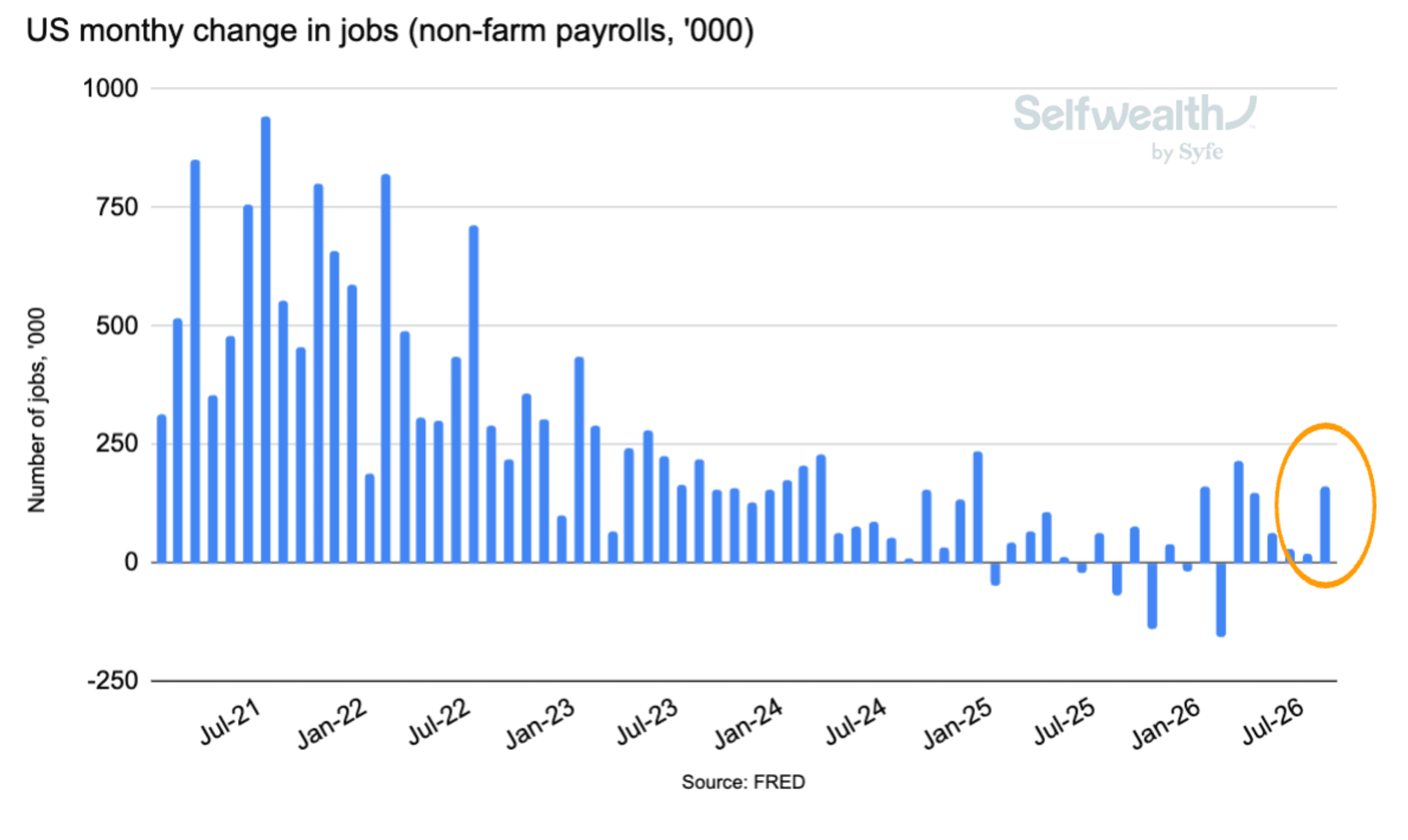
US hiring bounced back. American employers added 162,000 jobs in August, about three times what was expected, and the weak summer prints were revised up. July’s reported job losses turned out to be a small gain.
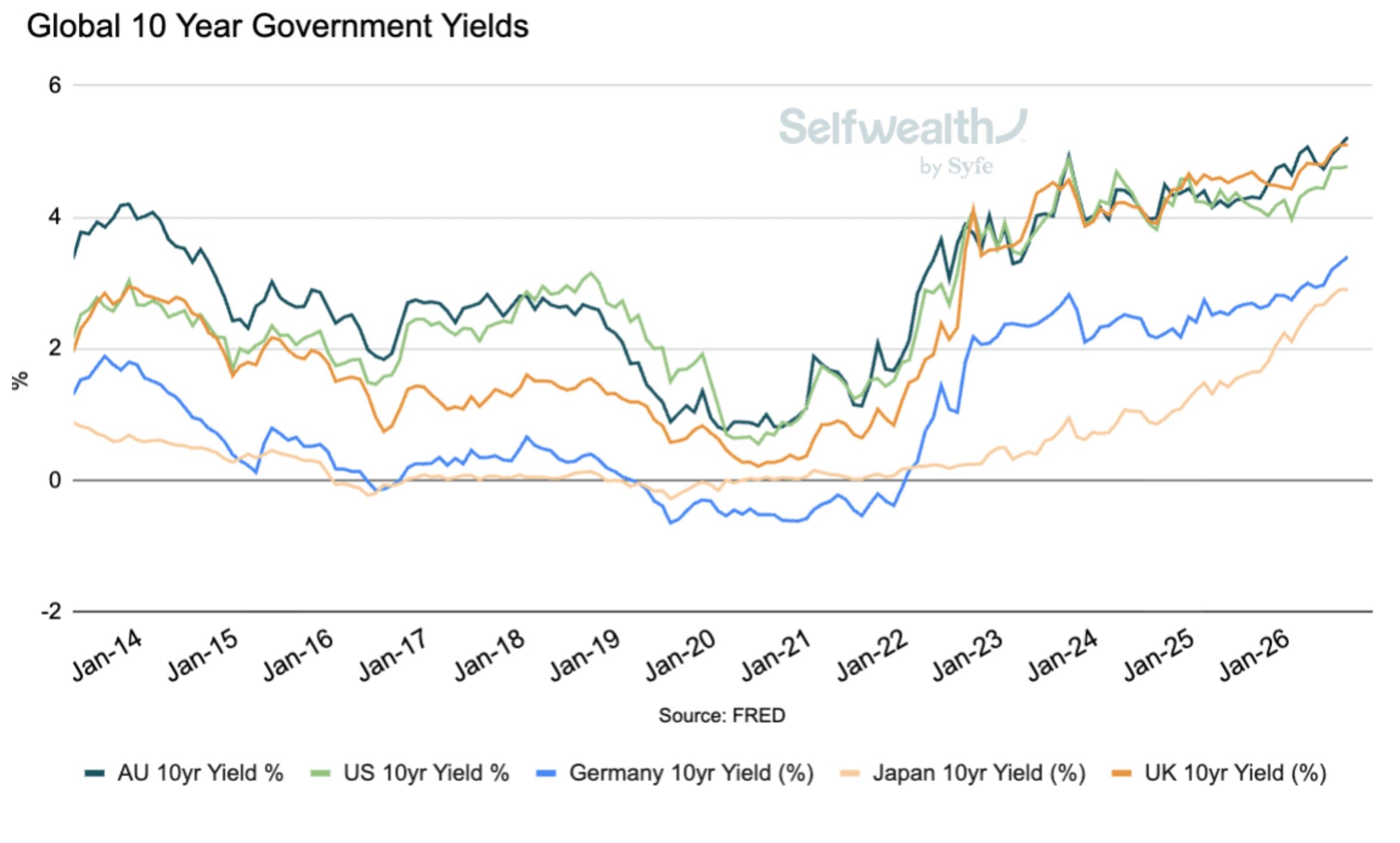
A Fed hike is back in play, and yields are surging. The strong report lifted the odds of a September rate rise slightly with the latest odds around 60%. Global yields have continued to rise on the news.
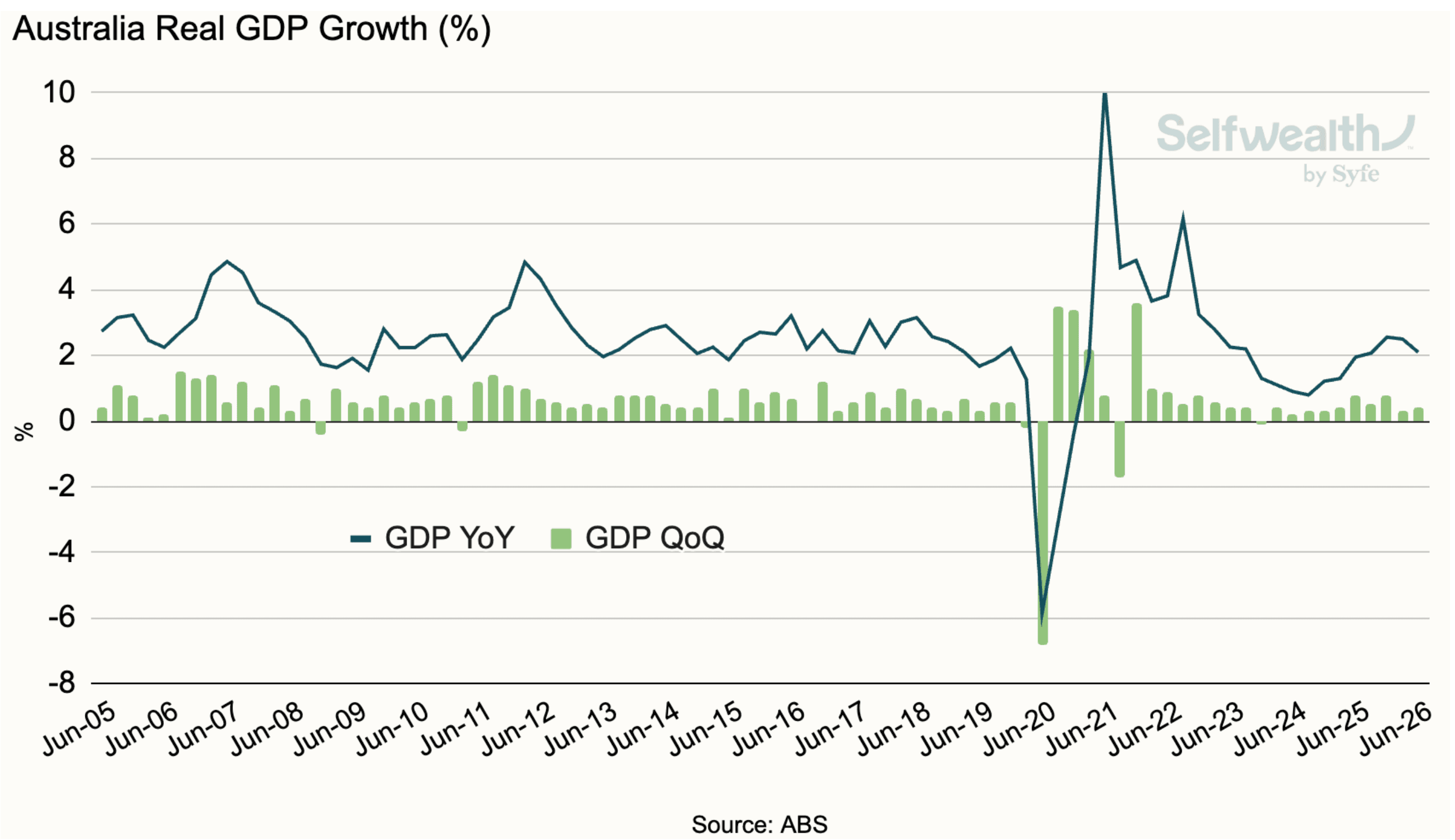
Australia’s growth was softer. Last week’s Q2 GDP rose just 0.4%, with growth leaning on a narrow base — data-centre investment and little else — while unemployment has climbed to 4.5%.
This week’s US inflation is the decider. With the labour market looking healthy again, Friday’s US CPI will likely determine whether the Fed hikes when it meets on 15–16 September.
US Employers Added 162,000 Jobs in August, Smashing Forecasts
The standout event was Friday’s US jobs report, and it was a genuine surprise. American employers added 162,000 jobs in August, the strongest gain in five months.
July's Job Losses Revised Up to a Gain
Just as important, the disappointing summer figures were revised higher: July, first reported as a loss of 23,000 jobs, was revised up to a gain of 21,000, and June was lifted too. The unemployment rate held steady at 4.1% and the participation rate rose. In short, the labour market that looked to be cracking a month ago now appears merely to be cooling gently and far healthier than feared. The catch, for markets, is that a strong jobs market gives the US Federal Reserve more room to raise rates.
Bond Yields Surge as a September Hike Moves Back Into View
With a hawkish Fed chair already keeping a hike on the table, the strong jobs data pushed the odds of a September rate rise up slightly to around 60%. At the same time, government yields, which have been grinding higher for months in a broad, structural sell-off, rose further last week. The US 10-year Treasury yield climbed to around 4.8%, its highest since late 2023, while Japan’s 10-year yield topped 3% for the first time in three decades.
What Are Driving Yields Higher: Debt, Oil and AI Supply
The drivers are cumulative rather than any single shock, record government debt and persistent deficits, an oil-driven inflation scare, and a flood of new bond supply, including heavy corporate borrowing to fund AI and data-centre projects that compete with governments for investors’ money.
Why This Week's CPI Decides the Fed
The Fed decision likely now hinges on this week’s US inflation report: if prices cooled, the Fed can look past the strong jobs number and hold when it meets on 15–16 September; if not, a hike becomes hard to avoid.
At Home, Australia’s Growth Leaned on a Narrow Base
As a quick recap from last week’s newsletter, the Australian Q2 GDP report for showed the economy growing 0.4%, or 2.1% over the year. A positive outcome, but slower than the prior quarter and increasingly reliant on a narrow set of drivers, chiefly investment in data centres. The consumer, by contrast, stayed cautious, and unemployment has since drifted up to 4.5%, a post-COVID high. For the Reserve Bank, that softer growth-and-jobs mix all but rules out another rate rise this month, a notable divergence from the US, where the debate is moving the other way. We took a closer look at the GDP figures in a separate piece.
Looking Ahead
The immediate focus is Friday’s US inflation report, the last major data before the Federal Reserve decides next week, on 15–16 September, with a hike now a real possibility. At home, this week’s monthly confidence surveys will offer a fresh read on how households and businesses are holding up after the softer growth and jobs data.
Key Dates to Watch
US inflation (August CPI) — 11 September: Friday’s report is the last big inflation read before the Fed’s decision, and likely the number that settles whether it hikes or holds.
US Federal Reserve — 15–16 September: A genuine live decision next week after the strong jobs report, with markets pricing about a 60% chance of a hike.
Australian confidence surveys — this week: The monthly NAB and Westpac reads on how households and businesses are faring after softer growth and rising unemployment.
Oil & the Middle East — ongoing: Crude near US$90 keeps upward pressure on inflation, adding to the case for caution from central banks.
Important disclaimer: SelfWealth Pty Ltd ABN 52 154 324 428 (“Selfwealth”) (AFSL 421789). The information contained on this website is general in nature and does not take into account your personal situation. You should consider whether the information is appropriate to your needs, and where appropriate, seek professional advice from a financial adviser and/or accountant. Taxation, legal and other matters referred to on this website are of a general nature only and should not be relied upon in place of appropriate professional advice. You should obtain the relevant Product Disclosure Statement for any product mentioned and consider its contents before making any decision.
Most Recent Articles


