Australia’s May inflation reading stayed elevated, keeping a potential RBA rate hike later this year on the table even as cheaper oil offers some relief. In the US, technology stocks wobbled and semiconductors sold off while the newly listed SpaceX gave back ground.
The US–Iran deal that pulled oil lower through June hit its first real test when a flare-up in Lebanon briefly derailed the Switzerland talks before negotiators agreed on a 60-day roadmap. The US has cleared the way for Iranian oil sales allowing tankers to slowly resume passage through the Strait of Hormuz.
Key Takeaways
Inflation is holding, not retreating. May headline CPI was 4.0%, easing from 4.2%, but the trimmed mean — the RBA’s preferred underlying gauge — rose to 3.6% from 3.4%, still above the 2–3% target band.
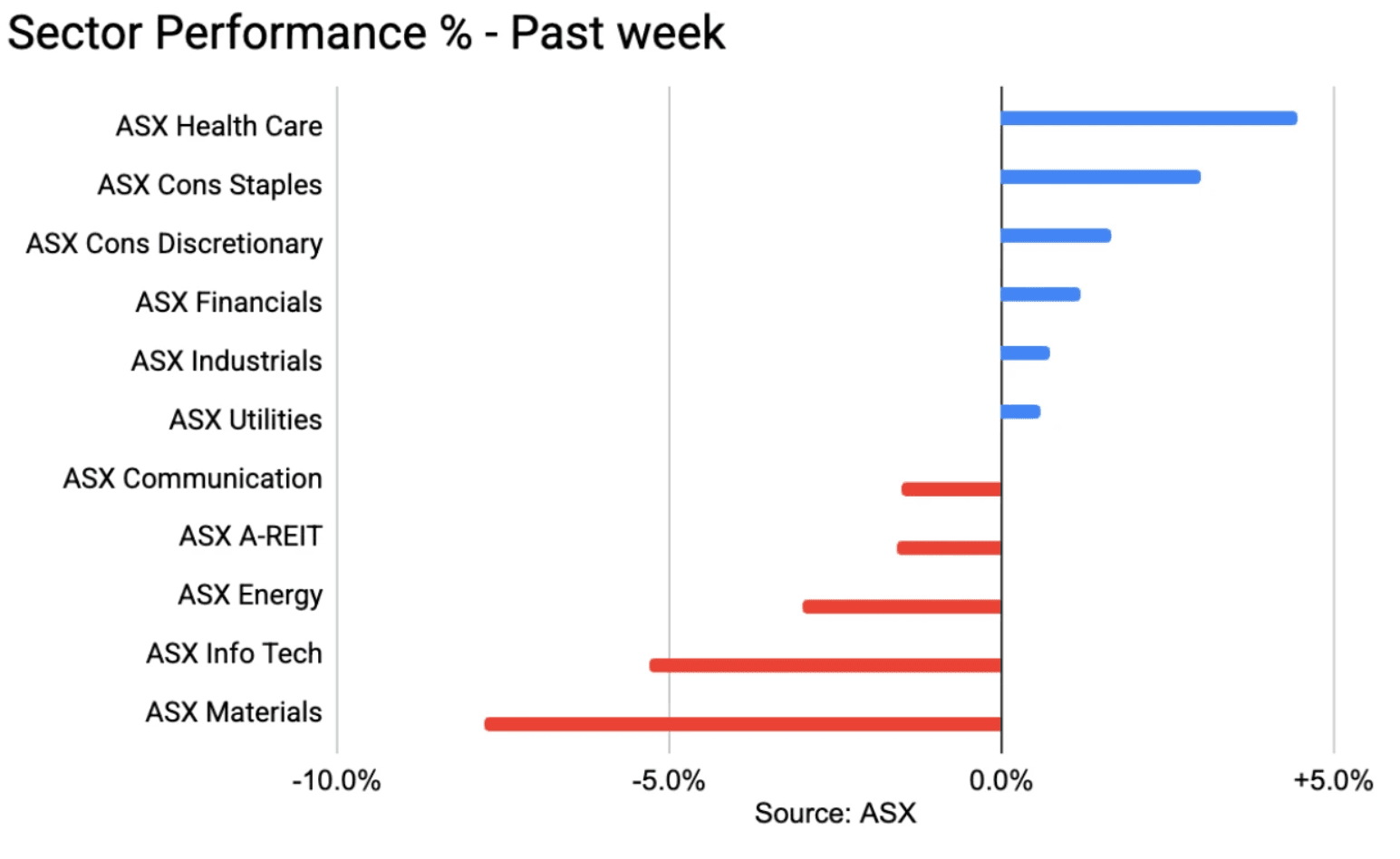
Markets: energy and tech under pressure. US semiconductor names sold off after a strong year, and SpaceX fell sharply on a debt-financing announcement. At home, energy and materials lagged on softer oil while tech held up better.
The Iran deal stumbled early but is advancing. Israel-Hezbollah strikes knocked the talks off course before both sides agreed a 60-day negotiating roadmap; with nuclear discussions yet to begin, the deal stays shaky even as oil flows resume.
The RBA’s relief is contingent. Cheaper oil is the main channel for easing price pressure, but it will take months to flow through. Meanwhile, core categories such as groceries remain sticky, keeping the RBA on a potential hike path.
Australian Inflation: Stuck Above Target
This week’s May reading showed headline inflation easing to 4.0% from 4.2%, while the trimmed mean — the RBA’s preferred measure of underlying pressure — edged up to 3.6% from 3.4%, with grocery prices among the contributors. Importantly, the May print largely predates the mid-June pullback in oil, so elevated fuel costs are still weighing on it; relief from cheaper energy will likely only show up over the next few months.
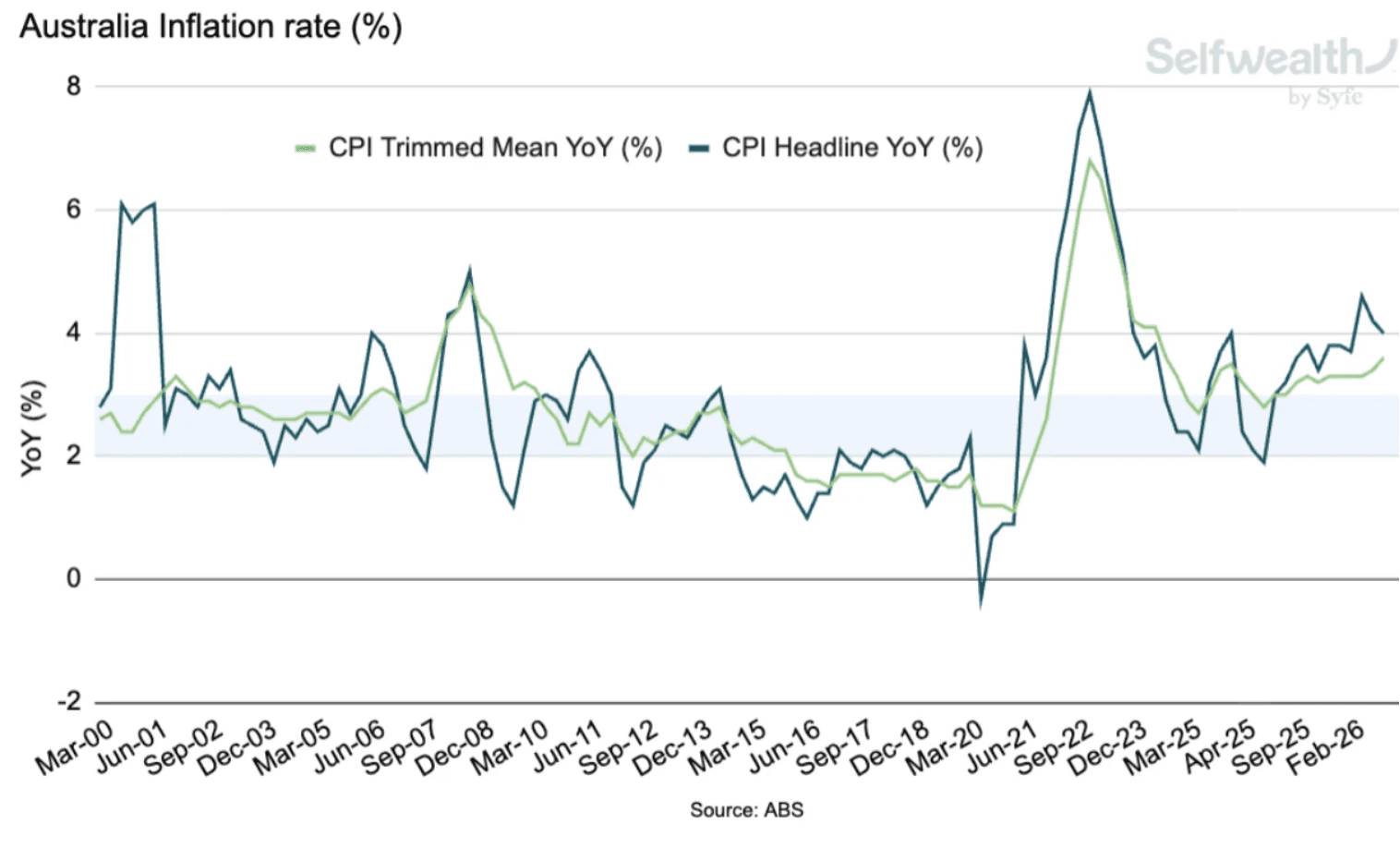
The cash rate sits at 4.35% after three consecutive hikes this year — in February, March and May — and the Board held steady on 16 June, making clear it wants to see how inflation evolves before moving again. The RBA has said those hikes are helping curb domestic inflation and limit the second-round effects of higher energy prices. But with underlying inflation expected to stay above 3% well into 2027, the path back to target is slow. Markets are split on the next move, so a year-end rise remains firmly on the table.
Markets: Tech turns volatile
US markets were dominated by a rotation out of technology, led by semiconductors. Many US and South Korean chip names sold off after strong gains earlier in the year, and SpaceX, fresh from its blockbuster listing, fell around 16% in a single session on Monday following a debt-financing announcement. Australia wasn’t immune: local tech softened over the week, while energy and materials lagged on lower oil prices.
The Iran Deal: A Shaky Start But Oil Prices Remain Contained
The memorandum reached in mid-June set a 60-day window to settle the harder questions, lifted the US naval blockade and kept the Strait of Hormuz temporarily toll-free. The follow-through has been bumpy. The Switzerland talks were briefly derailed after Israel and Hezbollah resumed trading strikes in southern Lebanon, but negotiators have since reported progress. The bigger market catalyst came from Washington, which issued a 60-day licence permitting the sale of Iranian oil. Hormuz traffic has reportedly increased, a good sign for continued lower oil prices.
Looking Ahead
The near-term focus is Australia’s May labour-force data this week, which feeds directly into the RBA’s read on the balance between growth and inflation; a still-tight jobs market reinforces the case for keeping rates high. In the US, core PCE, the Fed's preferred inflation gauge, is released later this week.
What We're Keeping an Eye on
Australian Jobs (May) — June 25: Feeds directly into the RBA's next call; a still-tight labour market reinforces the case for keeping rates high.
US Core PCE (May) — June 25: Feeds directly into the US Federal Reserve decision making as they weigh up a potential hike later this year.
Iran talks & Hormuz — ongoing: Watch whether the 60-day roadmap holds and whether the conflict re-escalates. Any setback could put the oil premium straight back on.
Important disclaimer: SelfWealth Pty Ltd ABN 52 154 324 428 (“Selfwealth”) (AFSL 421789). The information contained on this website is general in nature and does not take into account your personal situation. You should consider whether the information is appropriate to your needs, and where appropriate, seek professional advice from a financial adviser and/or accountant. Taxation, legal and other matters referred to on this website are of a general nature only and should not be relied upon in place of appropriate professional advice. You should obtain the relevant Product Disclosure Statement for any product mentioned and consider its contents before making any decision.
Most Recent Articles