
Rob Wilson, CFA, Director of Investment Strategy
Last week’s data pulled in different directions. At home, a soft jobs report cooled bets on another RBA rate rise; abroad, hotter-than-expected US inflation kept the Federal Reserve on guard and weighed on technology shares, which had their worst week since June. Here is the wrap.
Key Takeaways
Australian jobs fell. Employment dropped 39,300 in September, and unemployment held at a five-year high of 4.7%, lowering expectations of another RBA hike next month.
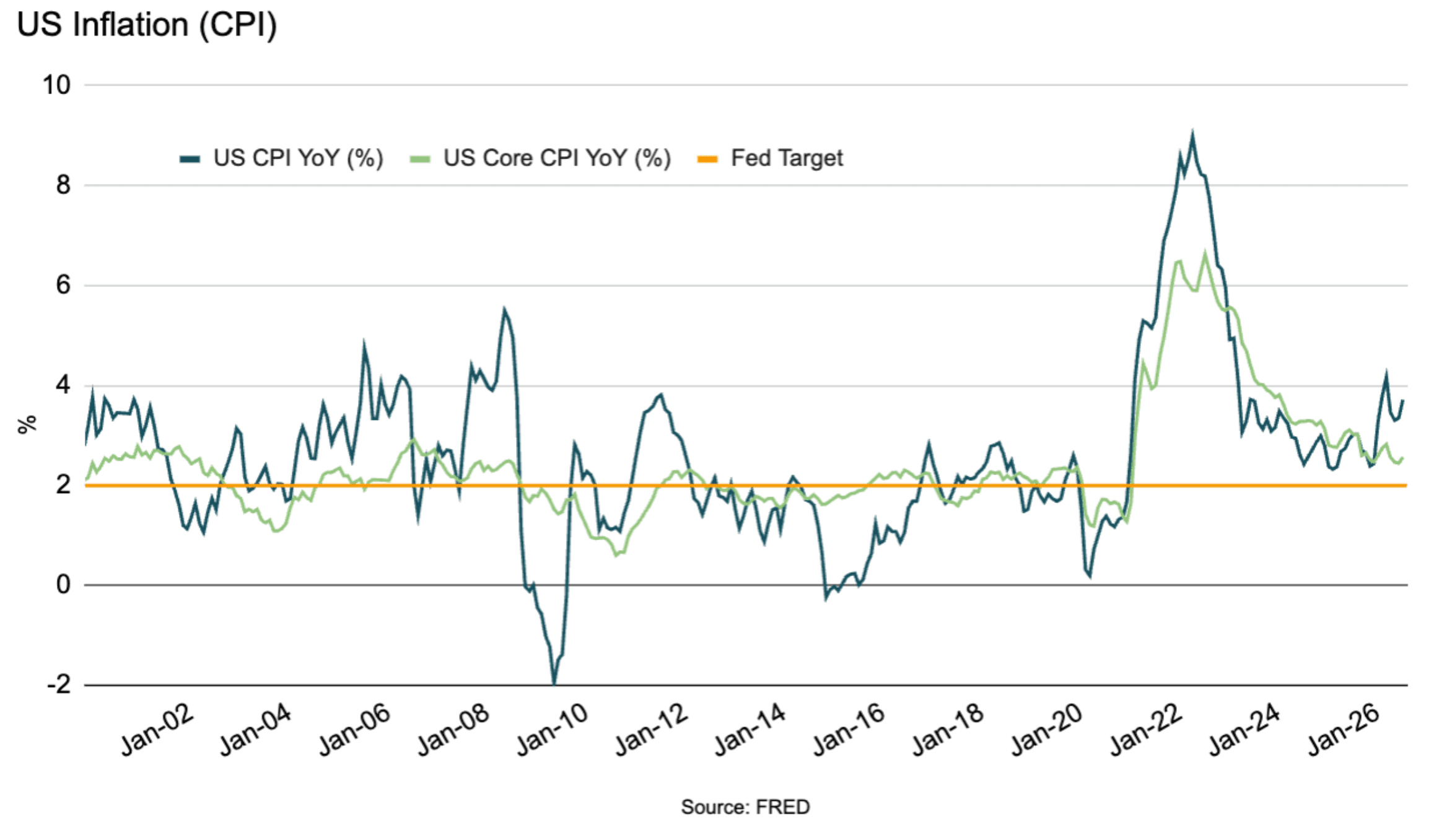
US inflation ran hot. September CPI rose to 3.7%, driven by petrol, keeping the Fed’s hiking bias alive.
Tech stocks wobbled. The Nasdaq had its worst week since June as high inflation and bond yields weighed on the AI trade.
A big fortnight ahead. Mega-cap tech earnings land this week, with Australia’s Q3 inflation and the Fed’s decision both due next week.
Australian Jobs Fall, Cooling the Case for Another RBA Hike
The main local news has been a weak September jobs report. Employment fell by 39,300, led by a sharp fall in part-time work. The unemployment rate held at 4.7%, a five-year high, kept from rising further only because fewer people were looking for work. The RBA has urged caution in reading any single month, especially with recent changes to the survey, but unemployment is now higher than the Bank had even forecast by the middle of next year. The upshot: markets have scaled back bets on another rate rise at the RBA’s 3 November meeting, which increasingly looks like it will hinge on the Q3 inflation figures due at the end of this month.

US Inflation Runs Hot, Keeping the Fed on Guard
Across the Pacific, the story was the opposite. US consumer prices rose 0.6% in September, lifting annual inflation to 3.7% from 3.4% (a jump in petrol prices accounting for about half the increase in the month). Core inflation, which strips out food and energy, edged up to 2.6%. The data keeps the Federal Reserve’s hiking bias firmly alive. Even so, having only just raised rates in September, the Fed is expected to pause when it meets next week, with any potential increase more likely in December.
Tech Stocks Wobble as Yields Bite
The combination of hot inflation and high bond yields took a toll on the share market’s most expensive corner. The tech-heavy Nasdaq fell about 4.5% over the week, its worst stretch since June, as investors questioned whether the AI-driven rally had run ahead of itself. The broader market held up better, helped by buying in more defensive stocks. It was a reminder that when yields climb, the high-growth names that have led the market are usually the most exposed. The real test comes this week, when several of the biggest technology companies (including Tesla, Meta and Netflix) report earnings; strong results could steady nerves, while any disappointment could extend the pullback.

Looking Ahead
It is a pivotal fortnight. This week brings the first wave of mega-cap tech earnings, a key test for a market unsettled by higher yields. Next week is bigger still for rates: Australia’s Q3 inflation report lands on 28 October — the decisive input for the RBA’s 3 November decision — and the US Federal Reserve delivers its own call the same week. Oil and the Middle East remain in the background, still feeding the inflation picture on both sides of the Pacific.
Key Dates to Watch
Mega-cap tech earnings — this week: Tesla, Meta, Netflix and others report — a key test for the tech trade after last week’s pullback.
Australian Q3 inflation — 28 October: The decisive input for the RBA’s 3 November meeting, after the soft jobs data.
US Federal Reserve — 27–28 October: Markets lean towards a pause despite hot inflation, with the next hike more likely in December.
Oil & the Middle East — ongoing: Still feeding into fuel prices and the inflation outlook.
Important disclaimer: SelfWealth Pty Ltd ABN 52 154 324 428 (“Selfwealth”) (AFSL 421789). The information contained on this website is general in nature and does not take into account your personal situation. You should consider whether the information is appropriate to your needs, and where appropriate, seek professional advice from a financial adviser and/or accountant. Taxation, legal and other matters referred to on this website are of a general nature only and should not be relied upon in place of appropriate professional advice. You should obtain the relevant Product Disclosure Statement for any product mentioned and consider its contents before making any decision.
Most Recent Articles